Owning real estate units for residential or investment purposes is a right available to everyone, as individuals seek comfort in a home free from the burden of rent while also aiming to improve and increase their income through various means. Real estate investment remains one of the most effective solutions.
But what if a person cannot afford the full cost of a property?
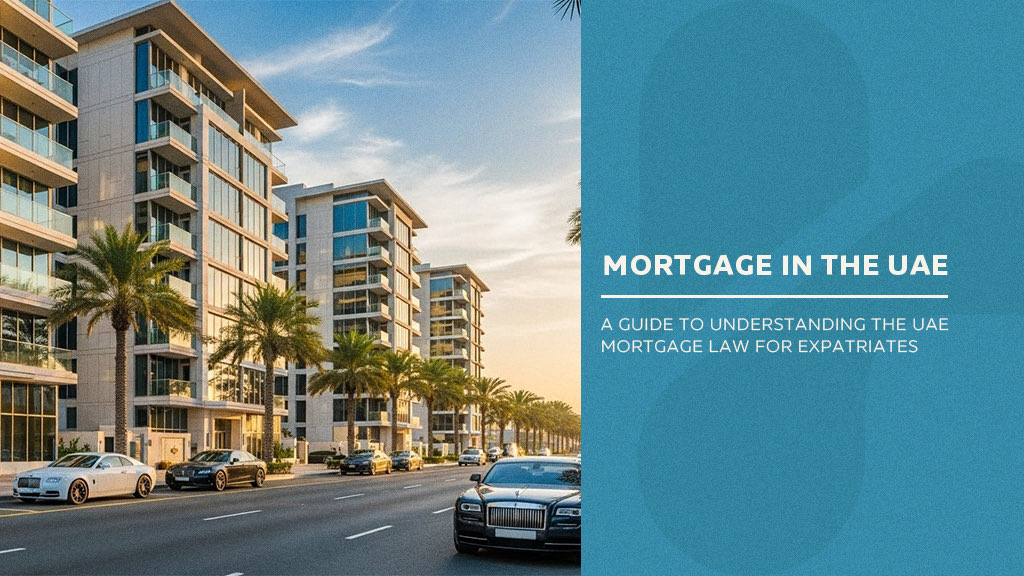
This is where mortgage financing comes into play. The UAE has established a dedicated legal framework known as the UAE Mortgage Law, which regulates all aspects of the relationship between the mortgagor and the mortgagee and clearly defines their rights and obligations.
Through this article, we will delve into the UAE mortgage rules in detail, explaining how mortgage regulations in the UAE function and how they safeguard both investors and homebuyers.
Under UAE mortgage rules, what is a mortgage?
A mortgage is one of the most common real estate financing methods in the United Arab Emirates. It is a legal contract under which a property is placed as collateral to secure a financial loan used to purchase real estate. In most cases, the mortgaged property is the same property being purchased, and it is officially registered with the competent authorities to protect the rights of all parties.
Through this arrangement, the debtor provides a property as collateral to the creditor in exchange for obtaining financial financing to purchase that property. The property remains mortgaged and cannot be sold or otherwise disposed of until the full debt has been repaid.
In the event of default on payment, UAE mortgage rules grant the mortgagee the right to sell the mortgaged property and recover the outstanding debt from its sale value.
Under UAE mortgage rules, what are the required steps?
A mortgage is a legal framework that allows the mortgagor to own a real estate unit while enabling the lender to protect their rights and ensure repayment of the debt.
However, to execute a mortgage contract, certain steps must be followed.
Below are the required steps to complete a mortgage financing process under UAE mortgage rules:
- Registering interest:
Register your interest by completing the application form provided by the bank through which you intend to arrange the mortgage.
- Property valuation:
Once you find a suitable property, you must coordinate with a bank representative to carry out a property valuation.
- Submitting the required documents:
Submit all required documents, including the mortgage application form, proof of income, and sale and purchase agreements. After submission, the specialist will forward your application to the bank for a final decision.
- Signing the offer letter and loan approval:
At this stage, the bank representative will verify all documents to obtain final approval. During this step, all applicable fees must be paid.
- Registration and loan disbursement:
After completing all steps, you will need to visit the land department to register the property and record the mortgage in favor of the bank. The bank will then release the property value to the concerned party.
- Final step:
Your home is now yours. Just remember to commit to paying the installments to the bank in accordance with UAE mortgage rules.
Types of Mortgages
A mortgage is a legal arrangement that protects the rights of both the lender and the borrower. It grants the borrower the right to own a property while allowing the lender to secure their rights. In the event of default, the lender is entitled to take legal action to recover the outstanding amount by selling the mortgaged property.
There are several types of mortgages, allowing you to choose the option that best suits your needs.
Types of mortgages in the UAE under UAE mortgage rules:
- Fixed-rate mortgage:
In this type, the interest rate is determined before the loan period begins and remains fixed for a specific duration. The rate is calculated based on the loan principal and the lender’s assessment and is not linked to general interest rate fluctuations in the UAE.
- Variable-rate mortgage:
This type is linked to the Emirates Interbank Offered Rate (EIBOR), with the interest rate adjusted accordingly. The main advantage is the ability to benefit from decreases in interest rates.
This type is further divided into two categories:
- Low variable-rate mortgage: A variable rate that is lower than the average rates in the UAE market.
- Capped-rate mortgage: A variable-rate mortgage with an upper limit that the interest rate cannot exceed.
- Islamic mortgage financing:
This type is based on Islamic Sharia principles, most commonly Murabaha, where the bank purchases the property directly and resells it to the buyer under agreed terms.
- First-time buyer loans:
These offer special, competitive financing options for individuals purchasing property for the first time.
Advantages of a Mortgage
As mentioned earlier in this article, a mortgage is one of the most common types of real estate financing, and it can be considered one of the best options available.
The following points clearly demonstrate the main advantages of a mortgage under UAE mortgage rules:
- Owning a property without large capital.
You do not need to pay the full property value upfront. Instead, you pay only a down payment, while the remaining amount is paid through comfortable monthly installments.
- Long repayment periods
Mortgage terms typically range from 10 to 25 years, which helps reduce the monthly installment amount and supports long-term financial planning.
- Better financial flexibility
A mortgage allows you to retain liquidity, invest your capital in other opportunities, and reduce financial pressure at the time of purchase.
- Suitable for both living and investment
For living: it enables stable homeownership without waiting for many years.
For investment: rental income can help cover the monthly mortgage installments.
- Clear legal protection and regulation
Governed by organized laws and regulations
Clear rights for both parties (buyer and bank)
Reduces disputes and financial risks
- Early repayment options
In many systems, early repayment is allowed, helping to reduce the total interest paid over the loan term.
Conclusion
In conclusion, this article has explained the UAE mortgage rules, including the most important conditions and steps required to obtain a mortgage. A mortgage is one of the most effective and convenient payment solutions in the UAE.
However, despite the apparent simplicity of mortgage procedures, they still require professional guidance and expert assistance to complete all documents and formalities correctly.
This is where the My Homex team comes in, supporting you throughout the process and helping you complete all the necessary procedures to secure a mortgage successfully.
A selection of the most important properties available for mortgage financing through My Homex From Here.