If you are thinking about starting in real estate, you have probably assumed that you need a large amount of capital. In reality, property investment requires a clear vision, structured planning, and well-defined goals more than it requires massive upfront cash.
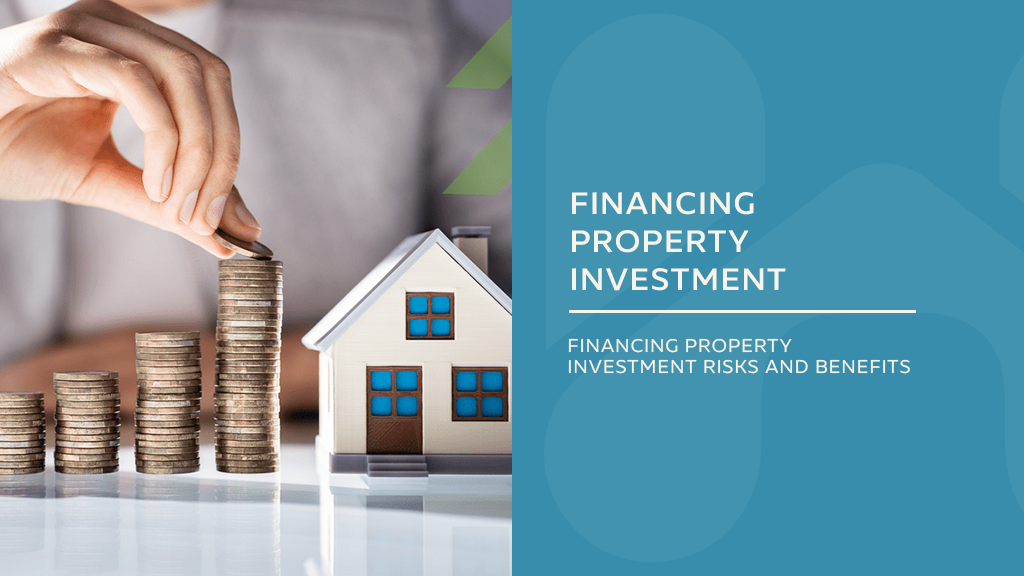
Choosing the right investment tool is what truly makes the difference, and one of the most important tools today is financing property investment. In a strong and fast-growing market like Dubai, financing is not merely a way to cover the purchase cost. It is viewed as a strategic instrument for managing liquidity, increasing returns, and diversifying investments instead of freezing all capital into a single asset.
With the wide range of opportunities available, from ready properties to off-plan developments, financing property investment has become one of the most powerful investment tools. It allows investors to capture opportunities at the right time and shifts the core question from:
“Do I have the full value of the property?”
to
“How can I use property financing strategically to maximize the growth of my real estate portfolio?”
In this article, we will explore financing property investment in Dubai, including its types, benefits, and potential risks.
What Is Financing Property Investment in Dubai?
What if you were told that you do not need the full property value to own it?
What if you only needed the down payment?
For many investors, this is what makes entering the market more accessible. This is exactly what financing property investment means: a mechanism that allows an investor to purchase a property with the support of a financing institution instead of paying the entire amount in cash.
Typically, the investor pays a down payment, while the remaining balance is provided as a loan that is repaid in agreed installments under specific terms related to repayment period, interest rates, and financing ratio.
This method is widely used as an effective capital management strategy. It enables investors to:
- Preserve liquidity for other investment opportunities
- Diversify risk across multiple assets instead of concentrating capital in one property
- Maintain financial flexibility
It is also important to note that financing terms vary depending on whether the property is ready or off-plan, and whether the investor is a resident or non-resident.
Therefore, financing property investment is not just a way to purchase property; it is a calculated financial decision that can significantly enhance returns when used wisely and strategically.
What Is the Difference Between Property Financing for Individuals and Investors?
In Dubai, financing solutions are structured according to the target segment and purpose of purchase, especially when it comes to financing property investment.
For Individuals
Property financing for individuals is typically designed for purchasing a home for personal residence and long-term stability. Banks usually require:
- Proof of stable monthly income
- Employment verification
- A clear credit history
- A minimum down payment (often starting from around 15%, depending on eligibility and regulations)
The remaining amount is financed by the bank and repaid in monthly installments over an agreed period, subject to interest rates and lending terms. The primary focus here is repayment capacity and income stability rather than investment returns.
For Investors
In contrast, financing for investors is structured for purchasing properties intended for rental income or resale. Because the purpose is income generation, financial institutions may offer:
- More flexible payment structures
- Competitive or tailored interest rates
- Higher leverage options (depending on risk profile)
However, lenders may request additional documentation, such as:
- Feasibility studies
- Projected rental yields
- Portfolio performance (for experienced investors)
Here, the emphasis shifts from salary stability to the property’s income potential and overall investment strategy. This makes financing property investment a more analytical and return-focused process for investors.
Types of Financing Property Investment in Dubai
As mentioned earlier, financing needs vary depending on residency status, financial goals, and whether the investor prefers conventional or Sharia-compliant solutions. Understanding the different types of financing property investment helps you select the most suitable structure based on repayment capacity, growth strategy, and long-term objectives.
Below are the main types:
1. Conventional Bank Mortgage Financing
This is the most common form of financing property investment. It involves a real estate loan provided by commercial banks with either:
- Fixed interest rates
- Variable interest rates
The loan is repaid in monthly installments over a specified term, and the property is mortgaged to the bank until full repayment is completed.
Key advantage:
- Generally easier to obtain compared to other structures
- Clear repayment framework
- Widely available for residents and eligible non-residents
2. Islamic Property Financing
Islamic financing operates in accordance with Sharia principles and avoids traditional interest-based structures. Instead, it uses models such as:
- Murabaha: The financial institution purchases the property and resells it to the buyer at an agreed markup, payable in installments.
- Ijara: A lease-to-own model where the bank leases the property to the buyer with the option of transferring ownership at the end of the term.
This type of financing property investment is attractive to investors seeking Sharia-compliant solutions while still benefiting from structured payment plans.
Key advantage:
- No conventional interest
- Ethical financing structure
- Increasingly popular in Dubai
3. Developer Financing (Direct Payment Plans)
Some real estate developers offer in-house payment plans, particularly for off-plan projects. This allows buyers to purchase directly through structured installment schedules without involving a bank.
Payments are made to the developer according to a predefined plan, which may include:
- During-construction installments
- Post-handover payment plans
Key advantage:
- Fewer banking procedures
- Faster approval process
- Often more flexible in early project stages
4. Government-Supported Housing Loans (For UAE Nationals)
Certain government entities provide subsidized financing programs exclusively for UAE nationals, with favorable terms designed to support housing stability and national development.
One example is:
- Sheikh Zayed Housing Programme
These programs offer:
- Preferential repayment terms
- Reduced financial burden
- Long-term housing support
This type of financing is limited to Emirati citizens and is not available to expatriates or foreign investors.
What Are the Benefits of Financing Property Investment?
Financing property investment is considered one of the most powerful tools in real estate strategy. Its value goes beyond simply facilitating the purchase process; it provides investors with greater flexibility in capital management and the potential to maximize returns.
When used strategically, financing can accelerate portfolio growth while reducing pressure on available liquidity.
Below are the key benefits of financing property investment:
1. Preserving Cash Liquidity
One of the main advantages of financing property investment is the ability to retain a significant portion of your capital instead of locking it entirely into a single asset.
This preserved liquidity can be redirected toward:
- Additional investment opportunities
- Emergency reserves
- Business expansion or diversification
2. Leveraging Returns (Financial Leverage)
Through leverage, profits are calculated based on the total property value, not just the portion you personally invested.
For example, if rental income increases or the property appreciates in value, the return is generated on the full asset price, even though you only contributed a percentage as a down payment.
This makes financing property investment a powerful return-enhancement strategy when market conditions are favorable.
3. Portfolio Diversification
Instead of purchasing one property in cash, financing allows you to distribute your capital across multiple properties.
This strategy:
- Reduces concentration risk
- Increases exposure to different market segments
- Enhances long-term growth potential
Diversification is a core principle in smart financing property investment decisions.
4. Seizing Timely Opportunities
Real estate opportunities are often time-sensitive. Attractive deals, especially in fast-growing markets, may not remain available for long.
Financing property investment enables investors to act quickly when opportunities arise, without waiting to accumulate the full purchase amount in cash.
5. Structured Cash Flow Management
With scheduled installment payments, investors can align financial obligations with rental income or other revenue streams.
This structured approach helps:
- Maintain financial balance
- Plan predictable expenses
- Optimize income-to-liability ratios

What Are the Risks Associated with Financing Property Investment in Dubai?
While financing property investment offers significant advantages, it remains a financial tool that carries certain risks. Relying heavily on financing without proper planning may strain cash flow and reduce the actual return on investment, especially in a dynamic and fast-moving market like Dubai.
Before committing to financing property investment, it is essential to understand the potential risks:
1. Interest Rate Fluctuations
If you choose a variable interest rate mortgage, your monthly installments may increase when market rates rise.
In periods of high interest rates, this can:
- Increase overall financing costs
- Reduce net rental yield
- Put pressure on the monthly cash flow
2. Property Value Decline
Real estate markets are cyclical. Property values may rise, but they can also fall.
If market prices decline:
- The property’s market value may drop below the outstanding loan balance
- Capital appreciation expectations may not materialize
- Exit strategies (such as resale) could become less profitable
This is an important consideration when financing property investment for capital growth purposes.
3. Cash Flow Pressure
Financing creates fixed monthly obligations.
If the property does not generate sufficient rental income to cover installments, the investor must compensate from other income sources. This can create financial stress, particularly if vacancy periods extend longer than expected.
4. Long-Term Financial Commitment
Mortgage financing typically extends over many years.
This means:
- A long-term financial obligation
- Reduced financial flexibility
- The need for a stable and predictable income
Proper planning is essential before entering long-term financing property investment agreements.
5. Additional Fees and Hidden Costs
Beyond the loan amount itself, financing involves several additional expenses, such as:
- Bank processing fees
- Property valuation fees
- Mortgage registration costs
- Insurance requirements
- Early settlement penalties
These costs can affect your overall return if not calculated accurately from the beginning.
What Are the Common Mistakes Related to Financing Property Investment?
As discussed earlier, financing property investment is one of the most powerful financial tools available to investors. However, when used improperly, it can produce the opposite of the intended results.
In most cases, the issue is not the concept of financing itself, but rather poor planning, unrealistic assumptions, or underestimating the financial commitments involved.
Below are the most common mistakes investors should avoid when choosing financing property investment:
1. Focusing Only on the Monthly Installment
Many investors look only at the monthly payment amount without calculating:
- Total interest paid over the loan term
- Bank processing fees
- Mortgage registration costs
- Insurance expenses
The real cost of financing property investment lies in the total repayment amount, not just the monthly figure.
2. Assuming the Best-Case Rental Scenario
Relying on optimistic rental income projections without accounting for:
- Vacancy periods
- Market fluctuations
- Possible rental price declines
This can lead to cash flow gaps that strain the investor financially.
3. Choosing a Financing Type Without Full Understanding
Selecting a fixed or variable rate mortgage or Islamic vs. conventional financing without fully understanding:
- Interest structure
- Early settlement penalties
- Refinancing conditions
- Hidden charges
A lack of clarity at the beginning can create costly surprises later.
4. Entering Long-Term Financing Without an Exit Strategy
Financing often spans 15–25 years.
Entering into long-term financing property investment without a clear plan for:
- Resale timing
- Refinancing strategy
- Portfolio expansion
can limit flexibility and reduce strategic options.
5. Using All Available Liquidity as Down Payment
Allocating all available capital toward the down payment without maintaining an emergency buffer can be risky.
Unexpected costs, vacancies, or economic changes may require immediate liquidity.
6. Accepting the First Financing Offer
Failing to compare multiple banks or financial institutions can mean:
- Higher interest rates
- Less favorable terms
- Missed incentives or promotional offers
Smart investors treat financing property investment as a competitive market and compare options carefully.
Final Thoughts
Financing property investment in Dubai remains a highly effective strategy for expanding opportunities and maximizing returns when approached with careful analysis and structured planning.
The true difference lies not in simply obtaining financing, but in selecting the right structure, accurately assessing risks, and aligning the financing decision with long-term investment goals.
At My Homex, we act as your strategic partner throughout your investment journey, helping you evaluate property opportunities, analyze financing feasibility, and compare available options to match your financial capacity and future ambitions with clarity and confidence.